
Phuket Area Guide
Chalong, Phuket: Area Guide for Buyers & Renters
- To Phuket Town
- 20 min
- Beaches nearby
- Rawai and Nai Harn
Living in Chalong
Chalong is Phuket's maritime gateway and one of its most practical addresses — home to the island's main marinas and piers, the landmark Chalong temple, and a fast-growing residential belt between the bay and the Big Buddha hills. The area sits at the crossroads of southern Phuket: ten minutes to Rawai and Nai Harn beaches, twenty minutes to Phuket Town, and directly on the bypass routes that reach the west coast while avoiding traffic. It is also the centre of the island's sailing and diving scene, with most boat trips departing from Chalong Pier, and hosts the famous Muay Thai and fitness camps around Soi Ta-iad. Daily life is well served by HomePro, Makro and Villa Market, a dense choice of international restaurants and cafés, gyms on every soi and quick access to hospitals and schools. The market is dominated by landed homes — modern pool villas in gated projects, family houses with gardens and townhomes for the island's working residents — at prices noticeably below the west coast. Steady demand from long-stay residents, marine professionals and Muay Thai visitors keeps Chalong rentals occupied year-round at healthy yields.
Daily life in Chalong and who it suits
Chalong is a working suburb more than a resort. Daily life runs along Chao Fah East and Chao Fah West, the two parallel roads from Phuket Town down to the Chalong roundabout, lined with supermarkets, builders' merchants, clinics, gyms and Thai and international restaurants. The bay is a harbour rather than a swimming beach, so residents drive to Rawai or Nai Harn for the sea.
It suits families who want a house and a garden, boat owners and dive professionals, the Muay Thai and fitness crowd around Soi Ta-iad, and anyone who wants to live between the southern beaches and town. It suits less well buyers who want to walk to the beach or step out into nightlife.
The bay, the temple and the Big Buddha
Chalong Pier is where most day boats to the southern islands and dive sites leave from, so the waterfront is busy early in the morning. Wat Chalong, officially Wat Chaiyathararam, stands in Chalong subdistrict; Wikipedia's entry says it honours two monks, Luang Pho Chaem and Luang Pho Chuang, who treated the injured with herbal medicine during an 1876 uprising, and the Mueang Phuket district entry calls it the most important of the island's Buddhist temples.
Above the area, the Big Buddha sits on Nakkerd Hill. Wikipedia's Phuket Big Buddha entry gives it as 45 metres tall and clad in white Burmese marble. The hills between the statue and the bay give some homes a view over the water toward the islands.
Schools, healthcare and shopping nearby
Everyday shopping is on the doorstep: supermarkets, hardware and home stores, fresh markets and the Wat Chalong market. For the big malls, Central Phuket lies on the edge of town to the north. HeadStart International School's city campus is in Wichit, on the way to town; the Cherng Talay international schools are a long drive north. The island's main hospitals, including Vachira Phuket and Bangkok Hospital Phuket, are in and around Phuket Town, which the live guide puts about 20 minutes away.
Getting around and travel times
The live guide gives about 10 minutes to Rawai and Nai Harn and about 20 to Phuket Town. The Chalong roundabout is the hub: from it, roads lead north to town, east to the pier, south to Rawai and west over the hill toward Kata and Karon. Expect queues there and on the Chao Fah roads at commuter and school hours.
The airport is at the far north of the island. Wikipedia's Phuket International Airport entry puts it 32 km north of Phuket city, and Chalong lies further south still, so allow for a long transfer and ask for a current estimate. A car is the norm; scooters and ride-hailing fill the gaps.
The property market in Chalong
Chalong is landed-housing territory. Stock is mainly pool villas in gated projects, detached family houses with gardens and townhouses, with a few condominiums and plots for custom builds. Most buyers live here all year: families, retirees, marine and dive professionals and people who work in town.
Foreigners cannot own land, so a house is bought on a registered lease of up to 30 years; renewals written into the contract are promises, not registered rights, so price the years that remain. Holding land through a Thai company with nominee shareholders is illegal. A condo can be owned freehold within the building's 49% foreign quota, with money brought in from abroad and documented by a FET form or bank credit advice.
Check the drainage, because some low-lying lanes near the bay and the canals can take water in heavy rain: visit after a storm and ask the neighbours. Check the access road, since many projects sit down narrow sois off the main roads, the plot's title deed, the developer's record and how the estate is managed. Near Soi Ta-iad, listen for traffic and training-camp noise; on the slopes toward the Big Buddha, ask what could be built below you.
Renting long-term in Chalong
Long-term tenants want a private pool or a garden, two or three bedrooms, secure parking, reliable air-conditioning and fibre internet, and a manageable school run. Demand is less seasonal than on the west coast because many tenants work, train or keep a boat here; the live guide names long-stay residents, marine professionals and Muay Thai visitors. Stays of 30 nights or more are legal; nightly letting is a hotel business that needs a licence or an exemption.
Pros and cons
For: houses with gardens, a practical position between town and the southern beaches, everyday services close by, boating and diving from the pier, and steady year-round rental demand. Against: no swimming beach of its own, traffic at the roundabout and on the Chao Fah roads, uneven drainage in some lanes, leasehold for foreign house buyers, and a long drive to the airport and the Cherng Talay schools.
Homes we list in Chalong
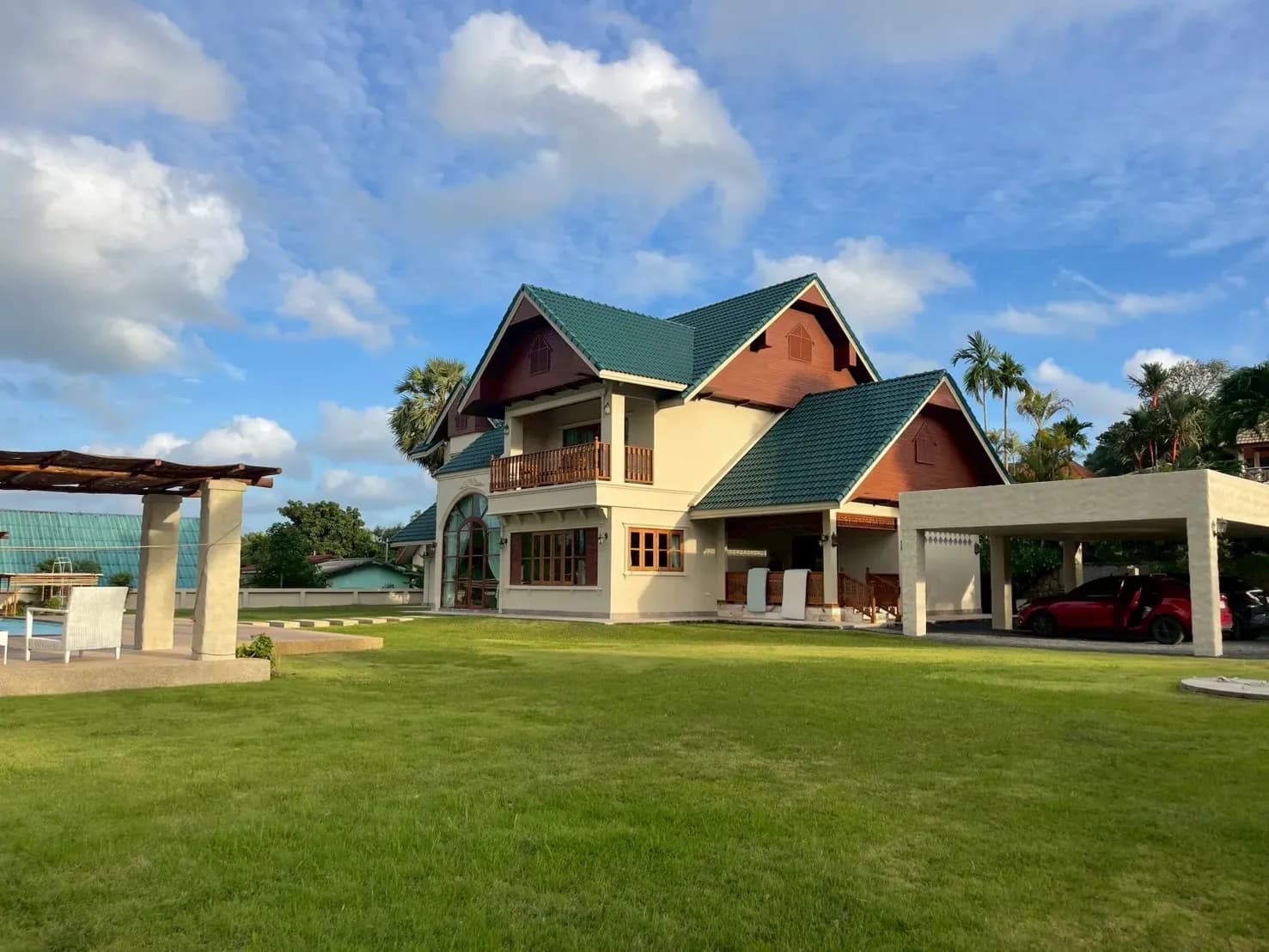
Photos of our own current listings
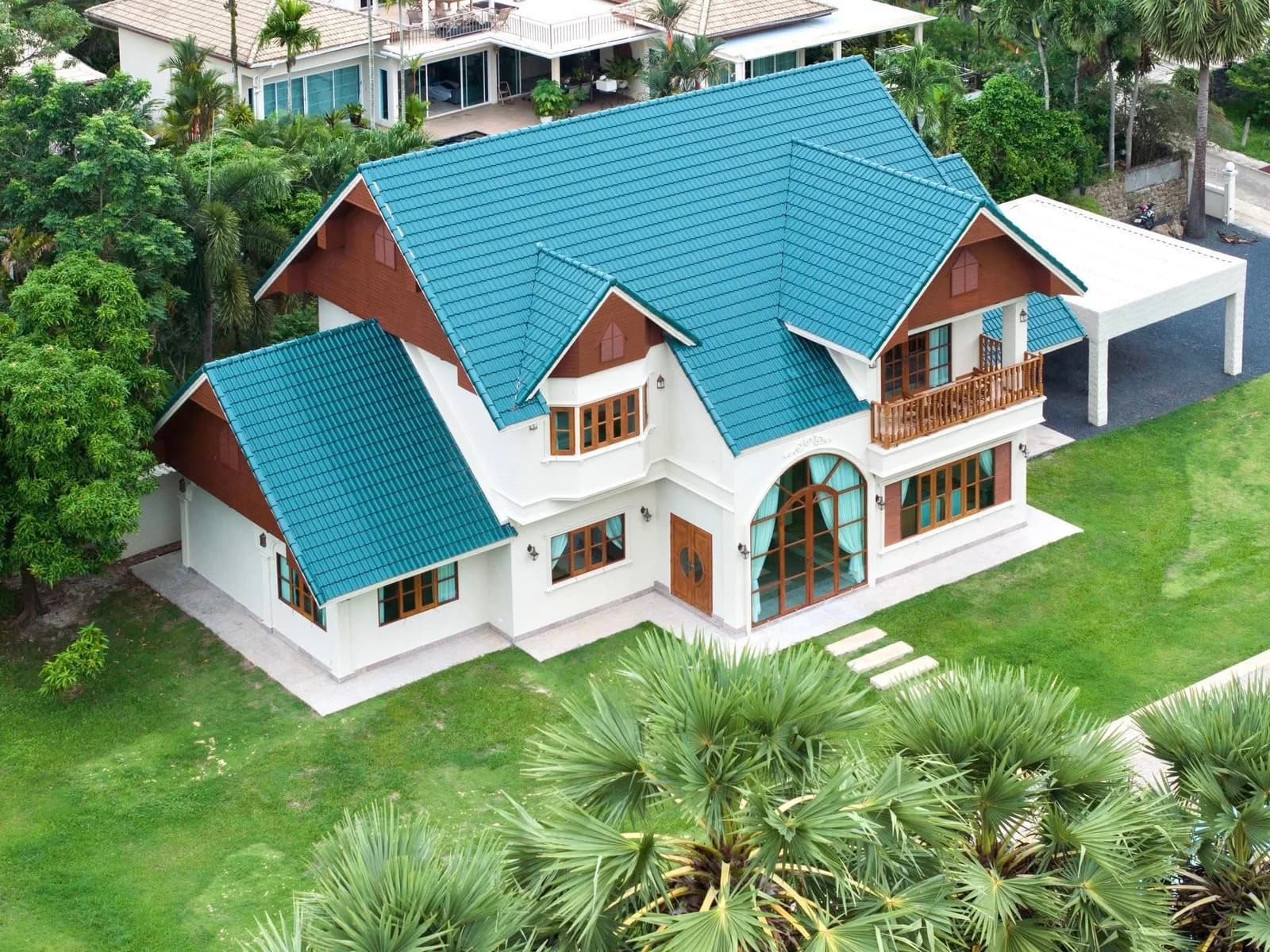
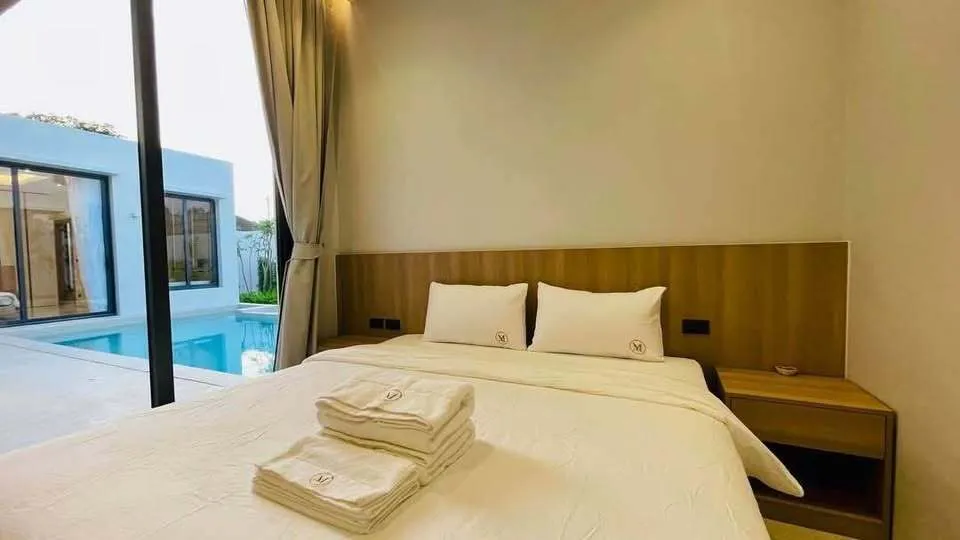
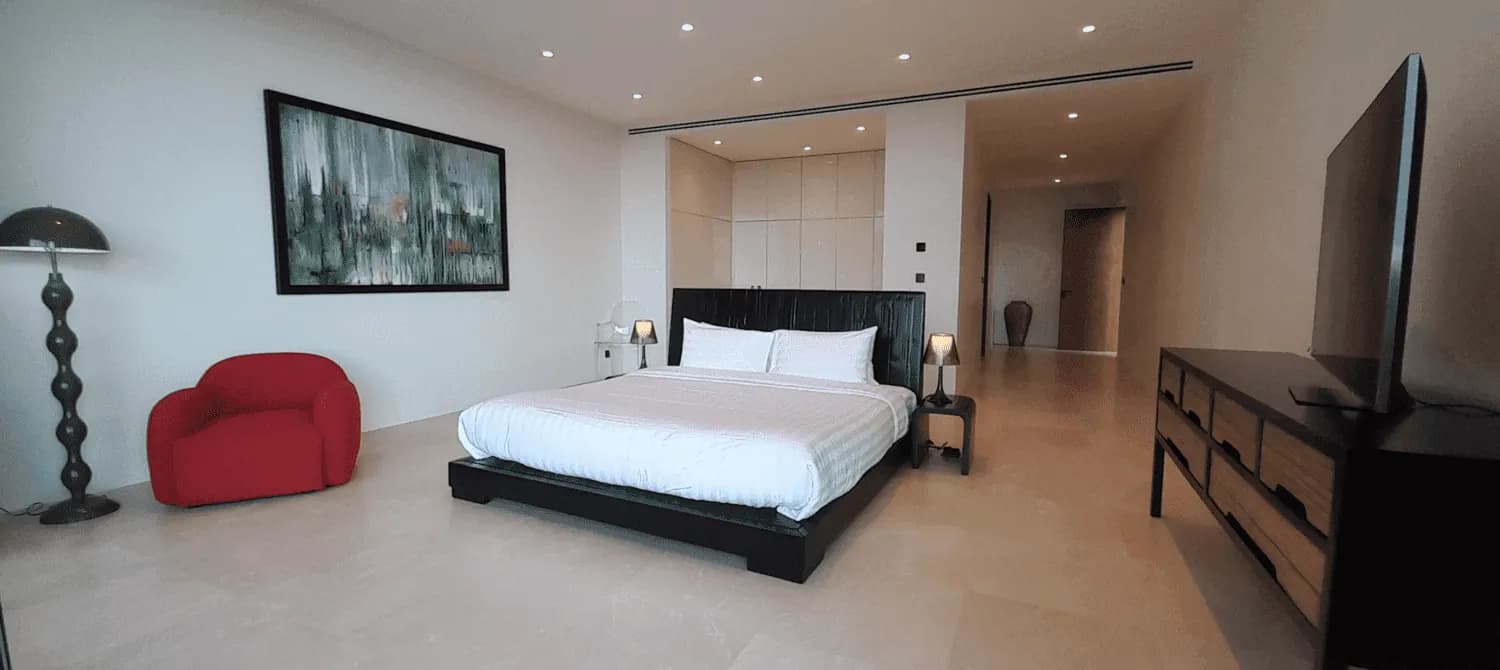
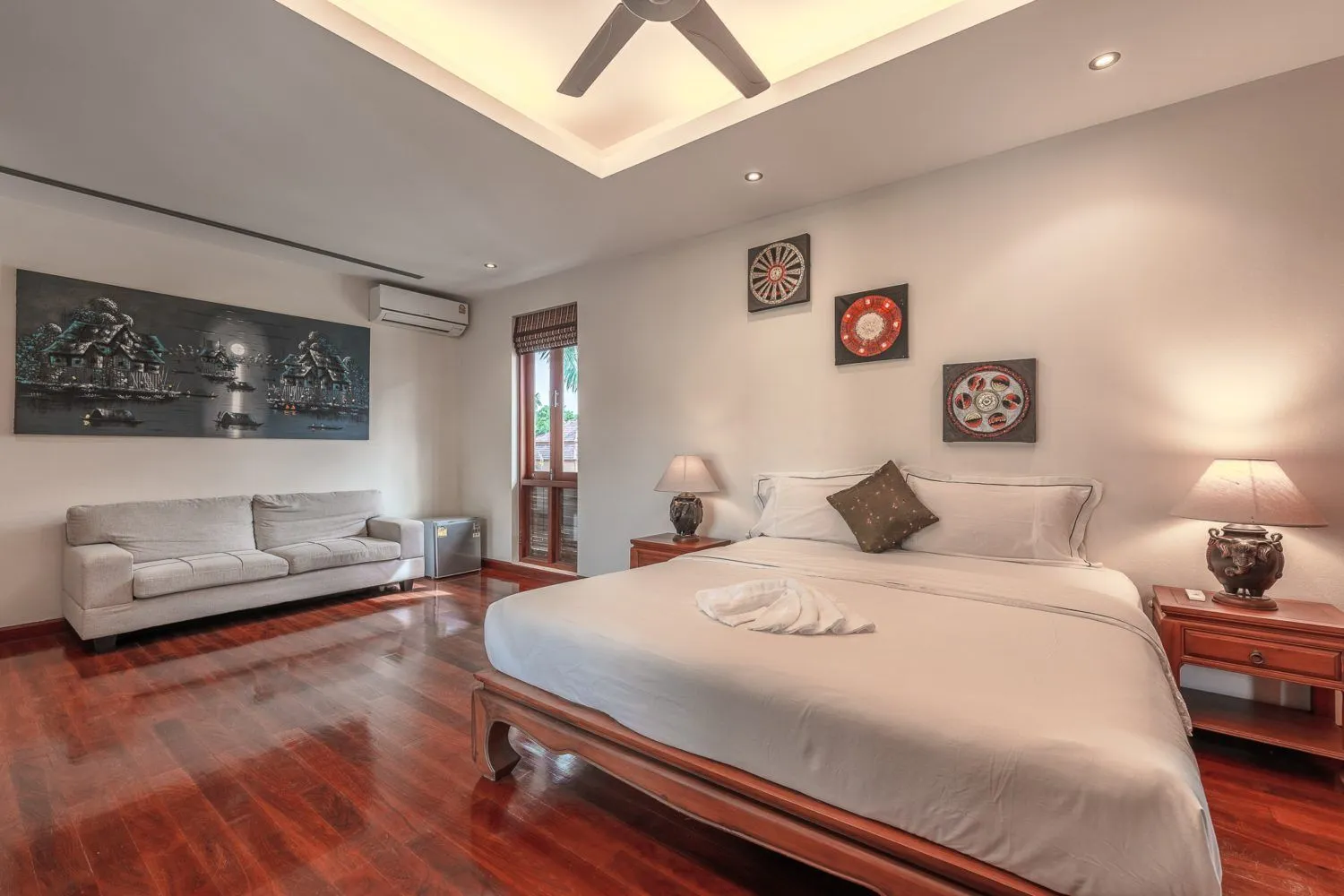
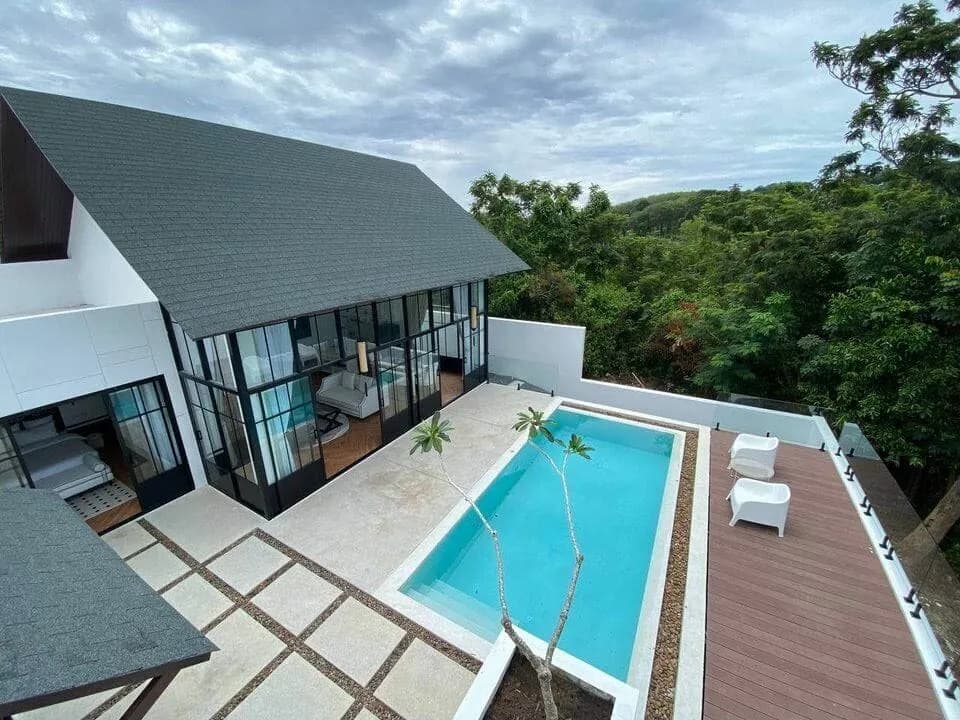
Property for Rent in Chalong
View all (11) →
Chalong, Phuket
Resort-Style 5-Bedroom Luxury Villa for Rent in Chalong, Phuket
Chalong, Phuket
Luxury Mouana 4-Bedroom Pool Villa for Rent in Chalong, Phuket
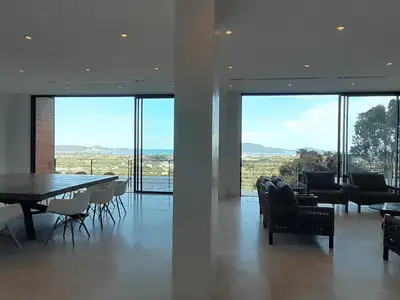
Chalong, Phuket
5 Bedrooms Modern Villa for Rent | Breathtaking Chalong Bay Views, Phuket
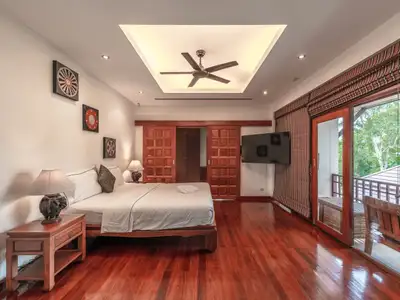
Chalong, Phuket
5Bedroom Pool Villa For Rent, Chalong, Phuket
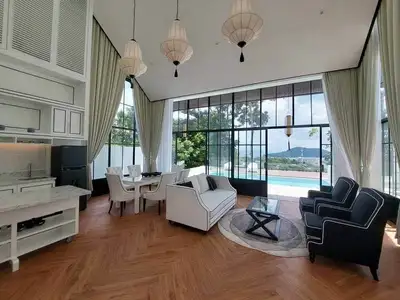
Chalong, Phuket
2 Bedroom Villa With Sea View For Rent, Cape Panwa, Phuket
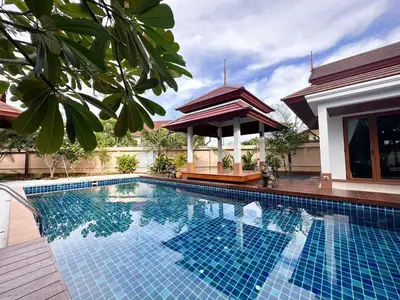
Chalong, Phuket