
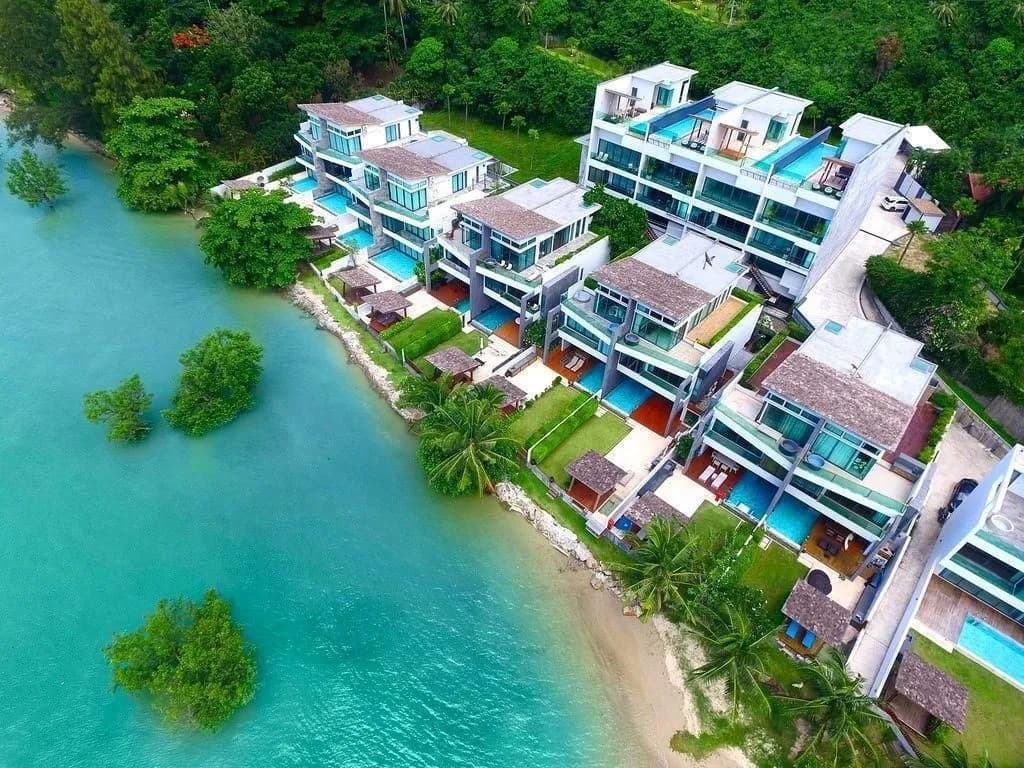
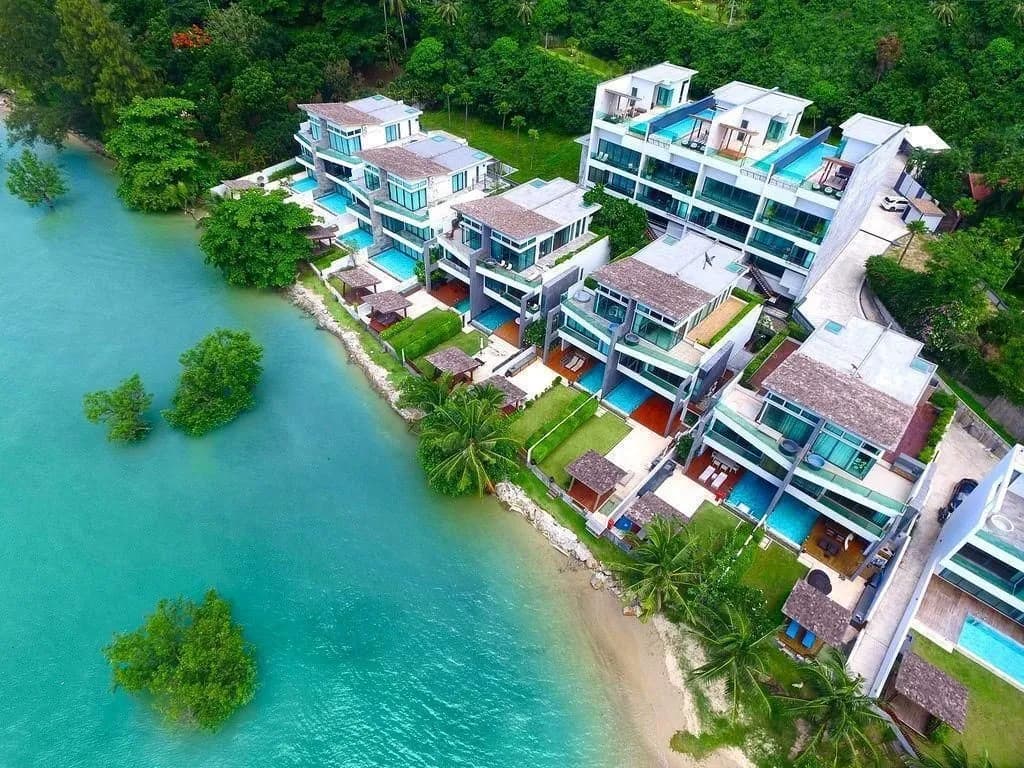
Phuket Area Guide
Rawai, Phuket: Area Guide for Buyers & Renters
- To the airport
- 50 min
- To Phuket Town
- 25 min
- Beaches nearby
- Nai Harn, Ya Nui and Ao Sane
Living in Rawai
Rawai, at Phuket's southern tip, is the island's favourite expat village — a breezy seafront of longtail boats and seafood grills surrounded by the beaches of Nai Harn, Ya Nui and Ao Sane. It offers arguably the best value-for-lifestyle equation on the island: spacious pool villas and modern townhomes cost a fraction of equivalent west-coast property, while the neighbourhood keeps an authentic, lived-in atmosphere that resort areas cannot replicate. This is the heart of Phuket's long-stay community, from the sailing crowd around Chalong's marinas to Muay Thai students, families and remote workers drawn by cafés, coworking spots and a genuinely local pace of life. Daily needs are covered by Makro and Villa Market, international restaurants, clinics and good schools, with Phuket Town 25 minutes away; the trade-off is a 50-minute airport run — the reason Rawai stays blissfully uncrowded. The market is driven by end-users: quality pool villas in the 8–25M THB range, modern condos aimed at long-stay tenants and steady land development toward Nai Harn and Saiyuan. Long-term rental demand is the strongest on the island relative to supply, making Rawai a favourite of buy-to-let investors.
Daily life in Rawai and who it suits
Rawai is less a beach resort than a working southern district. Its seafront is a line of longtail boats, seafood restaurants and the Chao Ley sea-gypsy village just north of the pier; behind it, residential lanes spread inland along Viset Road and Soi Saiyuan. Rawai is a sub-district municipality of Mueang Phuket district, according to Wikipedia's Mueang Phuket entry, and Nai Harn beach and Phromthep Cape lie within the same sub-district.
It suits people who want a year-round neighbourhood rather than a resort: retirees, families at the southern schools, remote workers, Muay Thai students and boat owners. It suits less well frequent flyers, anyone who wants to swim from the front door, and families tied to the west-coast or Koh Kaew schools.
Rawai or Nai Harn: how they differ
Listings often use the two names for the same homes, but they are different places to live. Rawai is the larger, flatter and more lived-in part of the south: shops, gyms, schools, the pier and most of the housing stock. Nai Harn is a single beach-and-lake valley at the south-west tip, where the swimming beach is and where land is scarcer. Choose Rawai for daily convenience, a wider choice of homes and annual leases; choose Nai Harn, covered in our Nai Harn guide, if walking to a swimming beach comes first. Many residents live in Rawai and drive a few minutes to Nai Harn to swim.
The seafront, islands and landmarks
Rawai's shore is a mooring rather than a swimming beach. Wikivoyage's Rawai entry notes pronounced tides that leave boats on the sand at low water, and says the only swimmable stretch is at the northern end. The seafood restaurants on the front are the weekend draw, and boats leave from here for the nearby islands: the same source puts Ko Bon about 10 minutes away by boat and Phromthep Cape, with its lighthouse and sunset crowds, around 2 km from Rawai. Ya Nui, Nai Harn and Ao Sane are the swimming beaches close by.
Schools, healthcare and shopping
Our international schools guide lists Lighthouse International School in Rawai (its kindergarten is in Chalong), with BCIS, which runs British and French programmes, and Montessori House in neighbouring Chalong. It gives an off-peak school run of 5 to 15 minutes from Rawai or Nai Harn, with delays around the Chalong circle, and 35 to 50 minutes to BISP or UWC Thailand. Rawai's clinics handle routine care; the island's main private hospitals, Bangkok Hospital Phuket, Bangkok Hospital Siriroj and Mission Hospital, and the public Vachira Phuket hospital are in Phuket Town and Wichit. Supermarkets and gyms cover daily needs; the big malls are in town.
Getting around and travel times
Our live guide puts Phuket Town about 25 minutes away and the airport about 50 minutes. The Phuket Smart Bus, according to its operator's route list, runs from the airport down the west coast through Kamala, Patong and Kata to Rawai Beach, which helps guests and tenants without a car. Rawai is spread out, so residents use a scooter or a car. Test the drive to school or work at the hour you would make it.
The property market in Rawai
Rawai has the south's widest mix: pool villas in small estates and quiet lanes, modern townhomes, low-rise condominiums aimed at long-stay tenants, and plots toward Nai Harn and Saiyuan. Many villas were self-built or come from small developers, so build quality varies more than in branded west-coast estates. A foreigner can own a condo freehold within the building's 49% foreign quota, with money brought in from abroad (a FET form or bank credit advice is the proof). Foreigners cannot own land, so villas and townhomes are bought on a registered lease of up to 30 years; renewals are promises, not registered rights, so price the years left on a resale. Thai company nominee structures to hold land are illegal.
Before you buy, check the land title (a chanote is the standard to look for), legal road access or a registered servitude, and drainage: low-lying lanes can flood in heavy monsoon rain, and news reports from late October 2026 listed Rawai among the affected areas. On the hillsides toward Phromthep and Ya Nui, check slope rules, retaining walls and what could be built below the view. Near the seafront bars, visit at night. For a self-built villa, ask for the building permit and the completion papers.
Renting long term in Rawai
Most demand here is for stays of months or years rather than nights. Tenants are retirees, families at the Rawai and Chalong schools, remote workers, and Muay Thai students who often take leases of a few months. They ask for a private or shared pool, fast fibre internet, efficient air-conditioning, covered parking, a room to work in and often permission for pets. Demand peaks from November to April, when winter long-stayers arrive; the May to October rains bring fewer new arrivals, so flexible lease terms help then.
Furnished homes let more easily, and landlords should budget for pool, garden and air-conditioning servicing. Lets of 30 nights or more are legal; nightly rental is a hotel business that needs a licence or an exemption.
Pros and cons
For: the island's broadest year-round expat community, a real working seafront, schools and services a short drive away, a varied housing stock, and Nai Harn, Ya Nui and Phromthep minutes away. Against: no swimming on the Rawai seafront itself, a long airport run, traffic at the Chalong circle, uneven build quality in older villas, low lanes that can flood, and few freehold condos to choose from.
Homes we list in Rawai
Photos of our own current listings
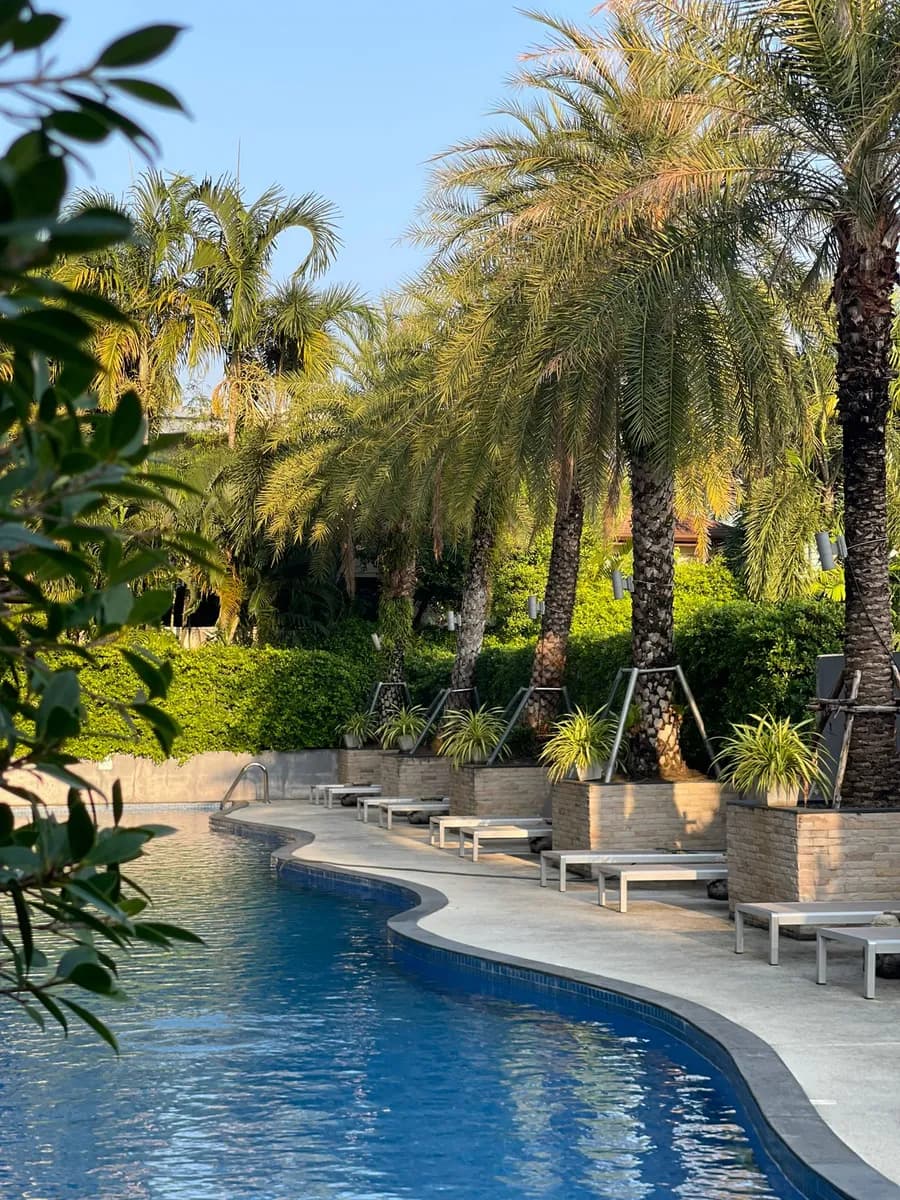
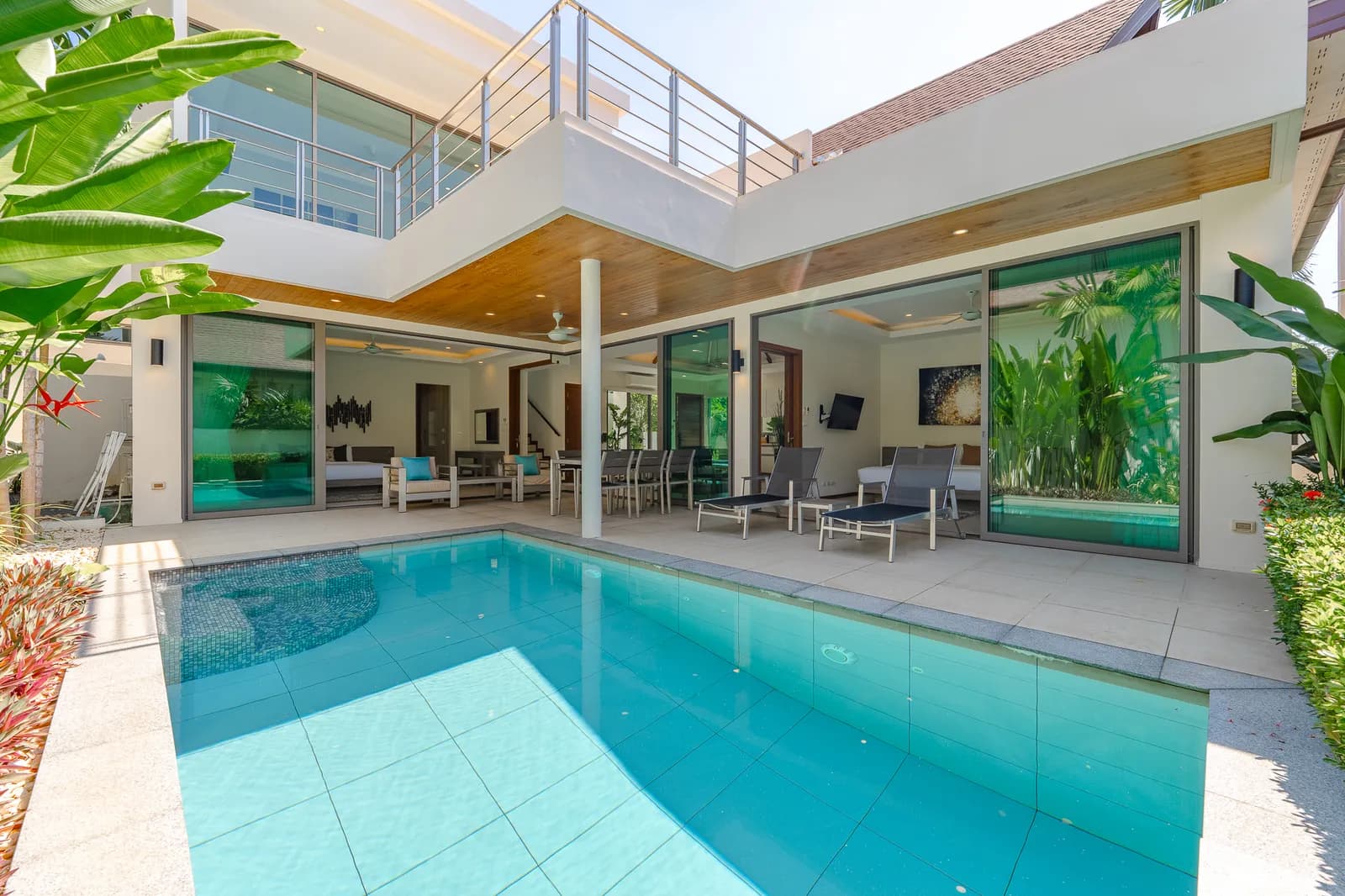
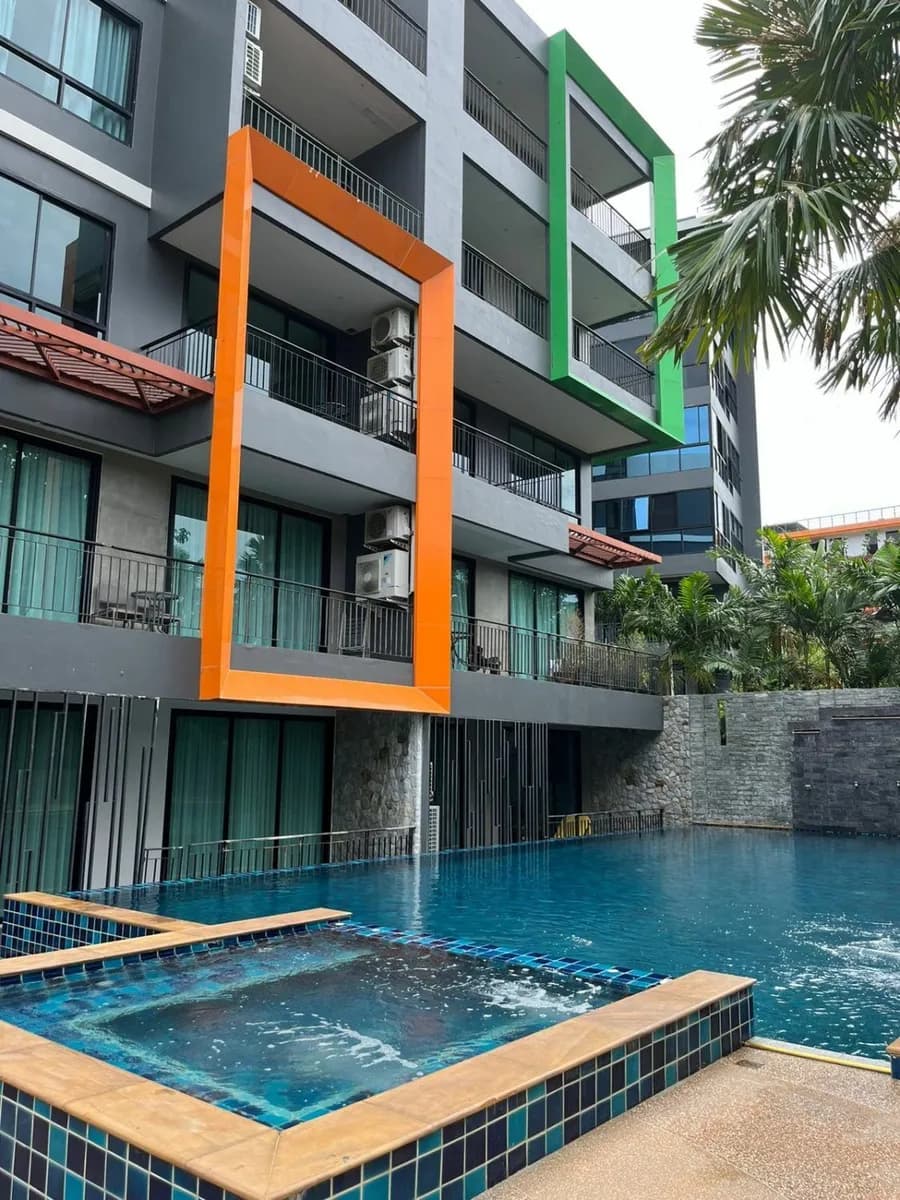
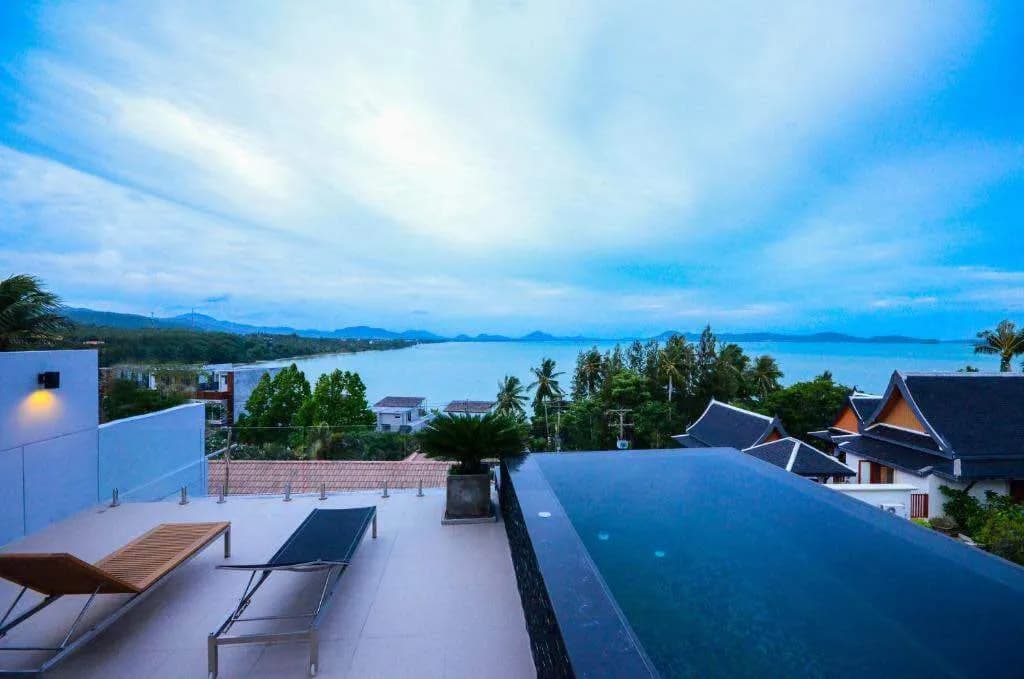
Property for Sale in Rawai
View all (4) →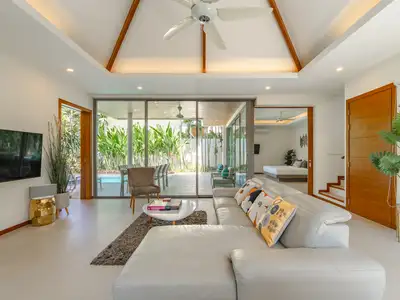
Nai Harn, Phuket
4-Bedroom Modern Pool Villa for Sale in Rawai, Phuket – KA Villa | BD16022602
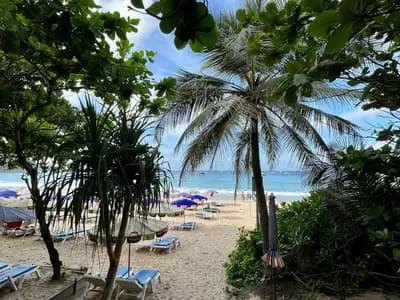
Nai Harn, Phuket
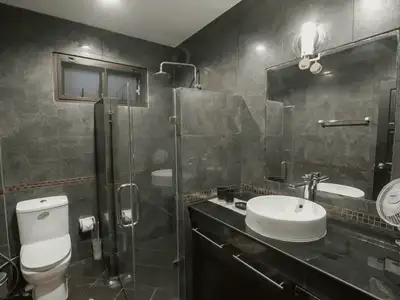
Condominium 36 sqm. for Sale In Nai-Harn ,Rawai Phuket
Nai Harn, Phuket
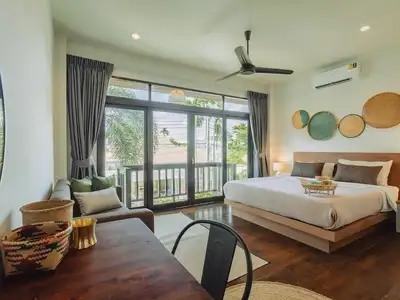
3 Bedrooms Private Pool Villa For Sale In Rawai, Phuket, 600 sqm land
Nai Harn, Phuket
Private Pool Villa with 5 Bedrooms in Rawai Phuket
Property for Rent in Rawai
View all (12) →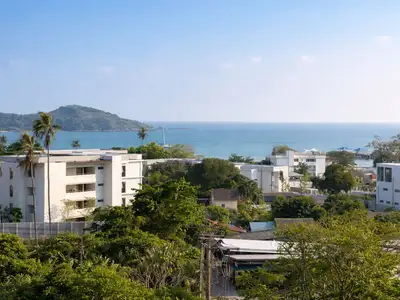
Nai Harn, Phuket
Seaview Condo at Babylon Sky Garden | Rawai Beach
Rawai, Phuket
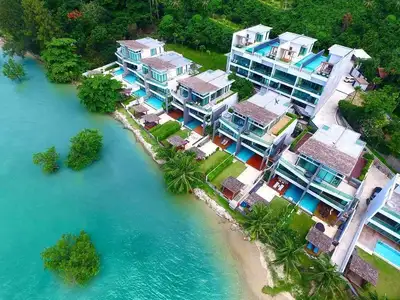
Seaview 5 bedrooms villa with private pool for rent in Rawai
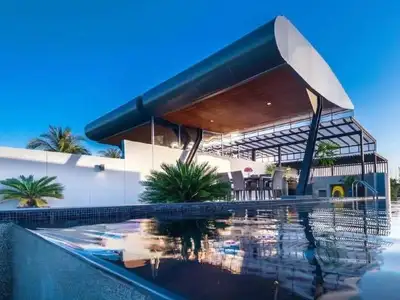
Rawai, Phuket
Seaview Aqua Villa – 3 bedrooms with private pool for rent in Rawai

Nai Harn, Phuket
6 Bedrooms Modern Style with Sea View Private Pool Villa in Rawai Phuket
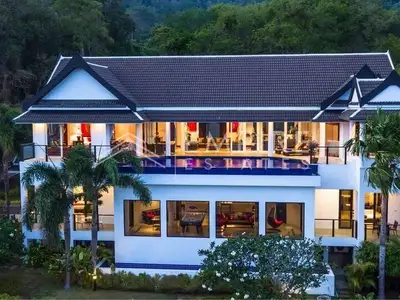
Nai Harn, Phuket
Baan Sawan 5 bedroom Sea view with private pool villa in Rawai
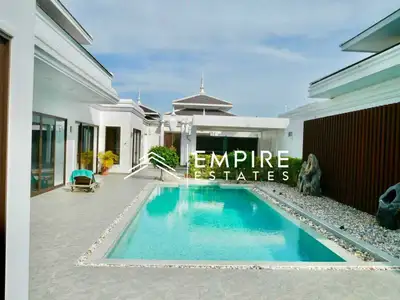
Nai Harn, Phuket