
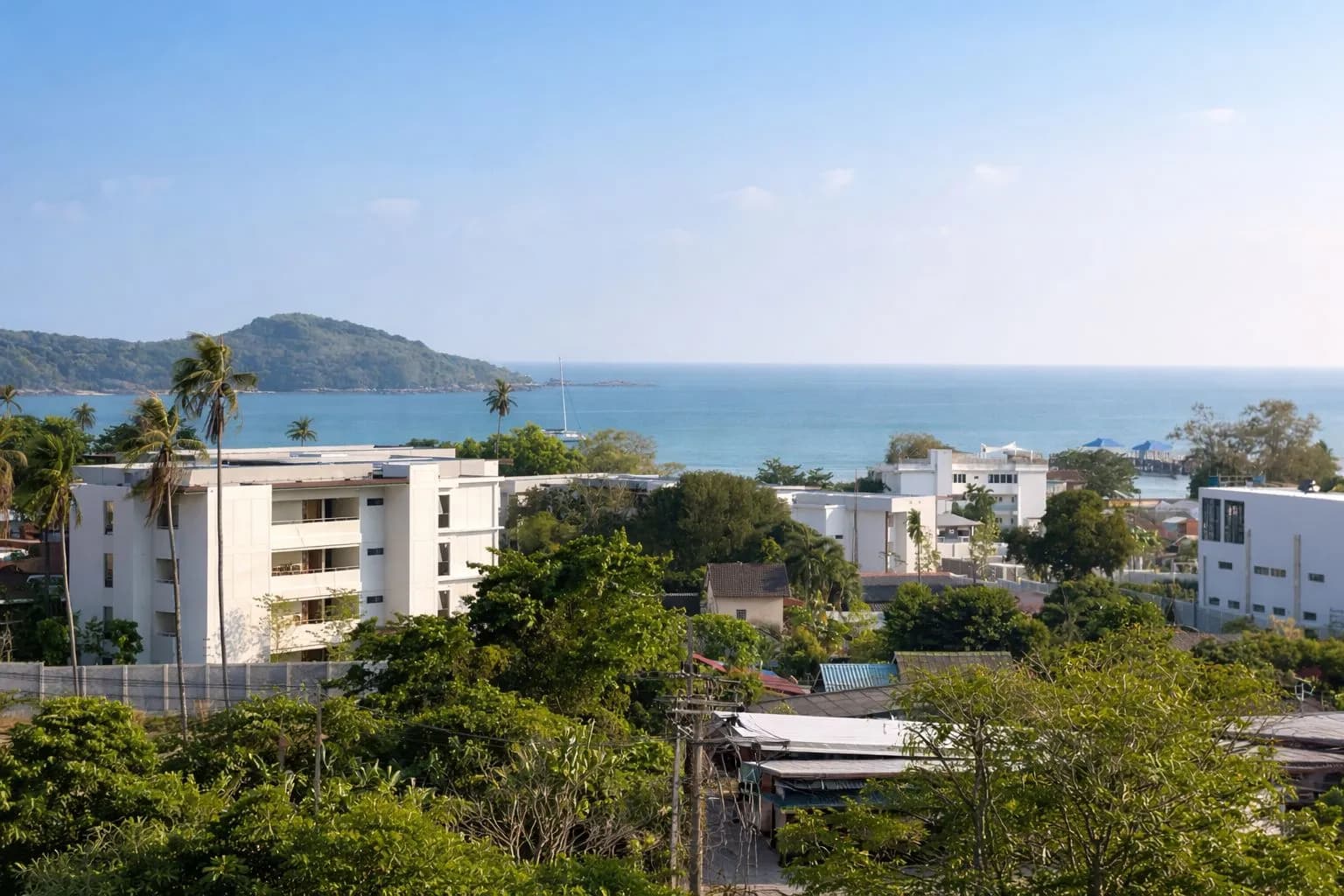
Phuket Area Guide
Nai Harn, Phuket: Area Guide for Buyers & Renters
Living in Nai Harn
Nai Harn is built around what many consider Phuket's most beautiful beach — a postcard bay of turquoise water and white sand framed by a lake, a royal monastery and green headlands at the island's southern tip. The bay is protected and swimmable most of the year, the lakeside park hosts joggers and yoga classes, and the neighbourhood behind remains low-rise and leafy, giving the area the feel of a world-class beach that still seems like a local secret. Mornings begin with a swim or a lakeside run, brunch follows at one of the village's excellent cafés, and sunset at Promthep Cape or the windmill viewpoint is a daily ritual, with the restaurants of Rawai and Nai Harn village covering everything from Thai seafood to Mediterranean fine dining. Property ranges from designer villas in the hills toward Rawai and Ao Sane to boutique condominiums minutes from the sand. Beach quality and scarce buildable land give Nai Harn the south's highest prices and excellent long-term fundamentals: rental demand spans winter long-stays and premium holiday lets, while sea-view villas on the hillside are particularly sought after by end-users and investors alike.
Daily life in Nai Harn and who it suits
Nai Harn is a compact valley at the south-west tip of Phuket: one beach, a freshwater lake behind it, the monastery of Wat Nai Harn between the two, and a small village of cafés, restaurants and guesthouses on the road back toward Rawai. Everything that matters is close: the beach, the lake and the village centre are a short walk apart. It suits winter long-stayers, couples, retirees, people who swim or run every day, and owners who want a holiday home they can also let. It suits less well families who need many services nearby, nightlife seekers and frequent flyers.
Nai Harn or Rawai: what is different here
Nai Harn lies within the Rawai sub-district, and many listings use both names, but the daily life is not the same. Nai Harn is about the beach: a swimming bay for much of the year, a lake loop and the southern viewpoints next door. Rawai, covered in our Rawai guide, is the larger residential area with the pier, the schools, the shops and most of the long-term rental stock. In Nai Harn you pay for proximity to the sand on a small, finite supply of land; in Rawai you get more choice and space for a longer drive to swim.
Beach, lake and landmarks
Wikivoyage's Nai Han entry puts the beach some 18 km from Phuket Town and says the monastery in the middle of the beach has prevented excessive development, which is why so little is built on the sand. Ao Sane, the small rocky cove at the northern end, is reached by a road through the grounds of the hillside hotel. South, the coast road climbs to Phromthep Cape, with its lighthouse and elephant shrine; north, it climbs to the Kata viewpoint. Ya Nui, between Phromthep and Rawai, has a shallow reef for snorkelling in the calm months.
Swimming and the monsoon
The bay is calm for much of the dry season, roughly November to April. In the south-west monsoon, from about May to October, surf and rip currents can be dangerous: local news has reported drownings at Nai Harn in monsoon months, and lifeguards post red flags when rips form. Do not swim under a red flag or where no lifeguard is on duty. If the beach is your reason to choose Nai Harn, plan for a pool or the lake loop in the green season.
Schools, healthcare and getting around
Nai Harn shares Rawai's services. Our international schools guide gives an off-peak run of 5 to 15 minutes from Rawai or Nai Harn to Lighthouse International School in Rawai and to BCIS and Montessori House in Chalong, and 35 to 50 minutes to BISP or UWC Thailand. Clinics, supermarkets and gyms are in Rawai; the main hospitals are in Phuket Town and Wichit. Our Rawai guide puts the airport about 50 minutes from Rawai, and Nai Harn sits a few minutes further south-west, so allow a long transfer and ask for a current estimate. The hill roads to Kata and Phromthep are steep and winding; a scooter or car is needed beyond the village.
The property market in Nai Harn
Supply is tight. The monastery land, the lake and the headlands leave little flat ground near the sand, so the market splits in two: a small number of low-rise condominiums and apartments within walking distance of the beach, and pool villas on the hillsides toward Ao Sane, Phromthep and Rawai, many with sea or lake views. Newer villas tend to appear on the slopes and in the lanes behind the village. A foreigner can own a condo freehold within the building's 49% foreign quota, with money from abroad; villas are bought on a registered lease of up to 30 years, and renewals are promises, not registered rights.
On the hillsides, check slope and elevation: our building guide explains that Phuket restricts building on steep slopes and above 80 m, so confirm that an existing villa was permitted and ask what could rise on the plot below the view. Drive the access road in heavy rain, and check retaining walls and drainage. For a condo near the beach, get the remaining foreign quota confirmed in writing, walk the route to the sand and read the building's rules on short stays.
Renting in Nai Harn
Two tenant profiles dominate: winter long-stayers who book months ahead for November to April and want to walk to the beach, and holiday guests on shorter stays. Annual tenants are fewer than in Rawai, since families often prefer Rawai's lanes for space and the school run. A landlord who wants a full year should plan for the quieter May to October months and offer a pool, fast internet and parking. Lets of 30 nights or more are legal; nightly lets need a hotel licence or an exemption, and many condo buildings ban them.
Pros and cons
For: one of the island's best swimming beaches in season, a lake and monastery that keep the bay open, sunset viewpoints next door, a small walkable village and steady demand from winter long-stayers. Against: scarce stock and little flat land, rough sea in monsoon months, steep hillside roads, a long airport run, few services in the valley itself and rental income that is more seasonal than in Rawai.
Homes we list in Nai Harn
Photos of our own current listings
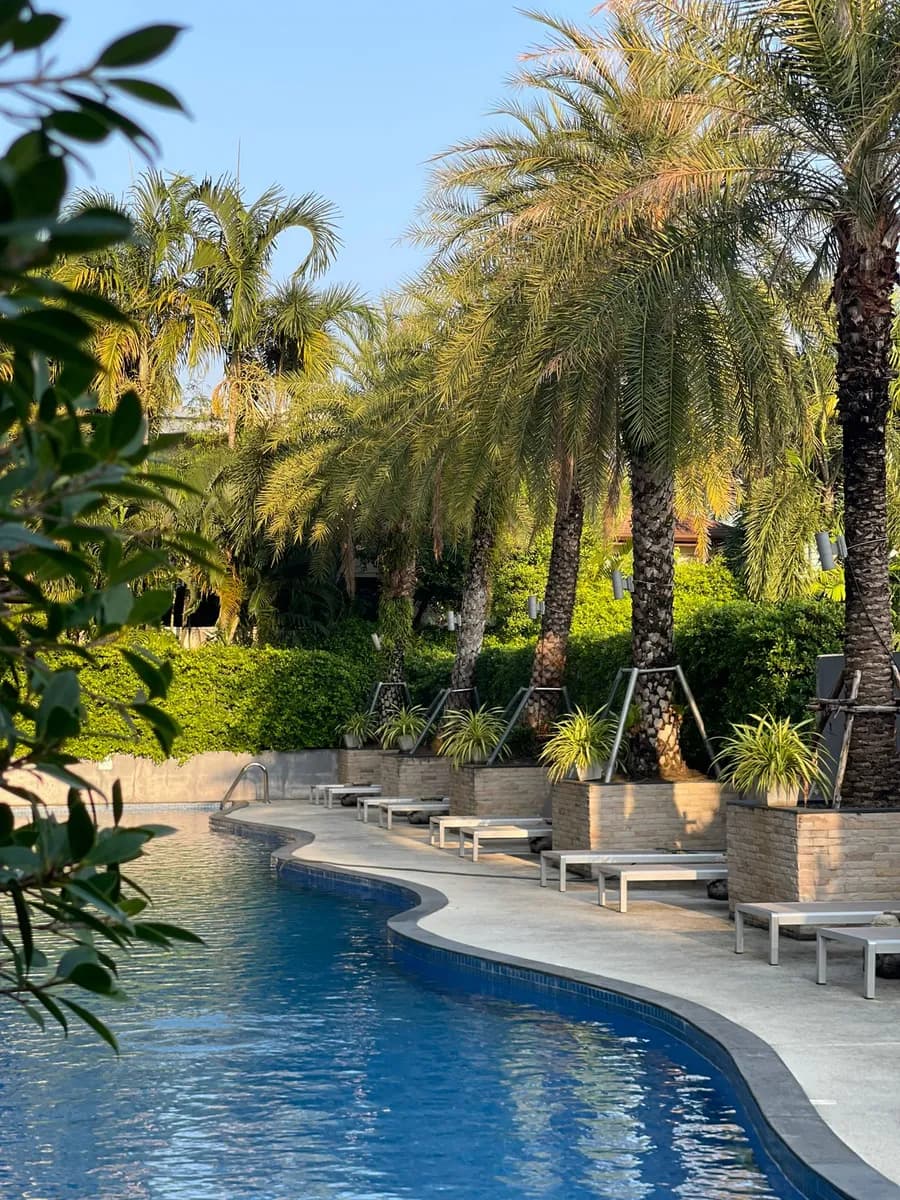
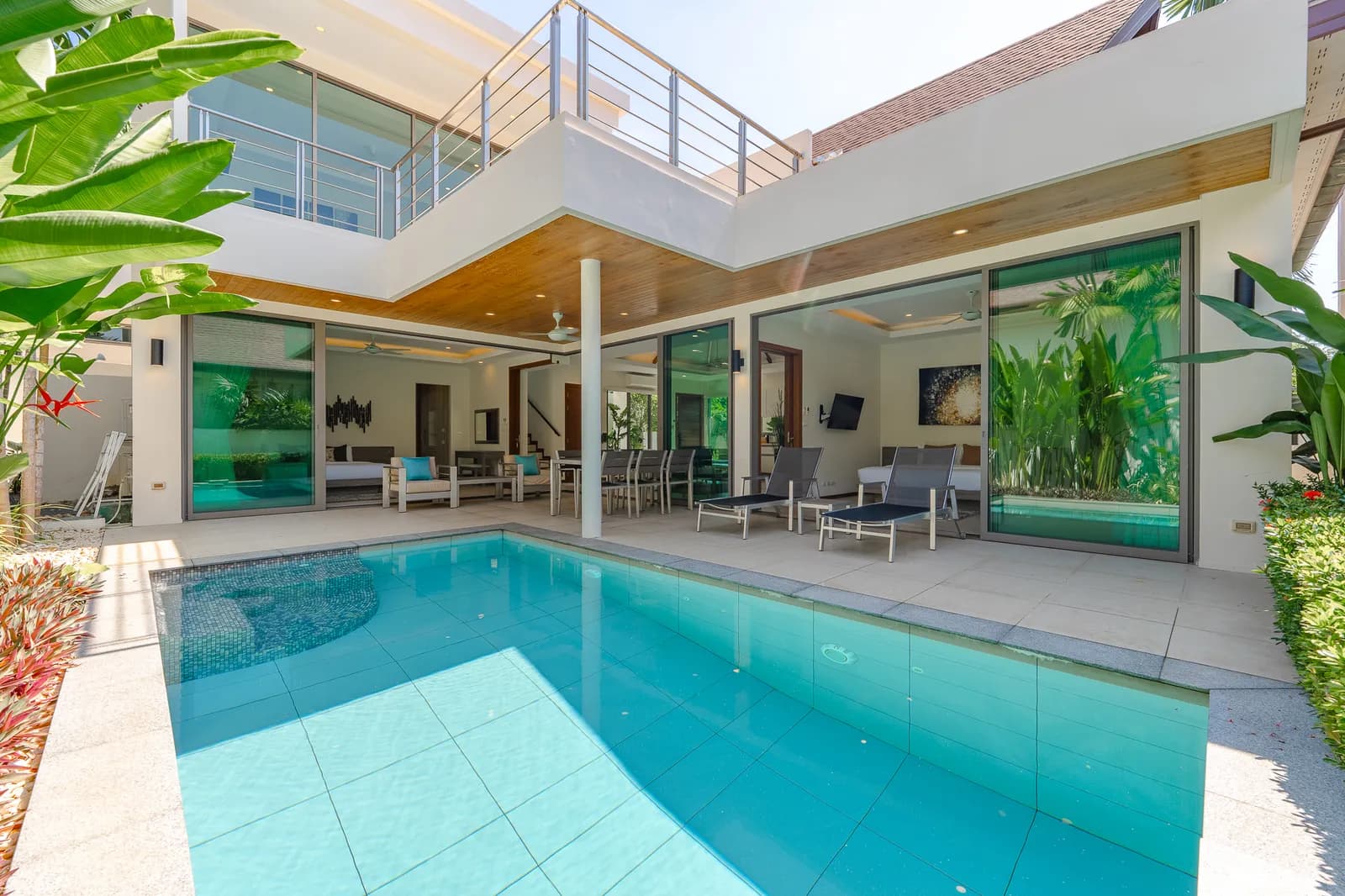
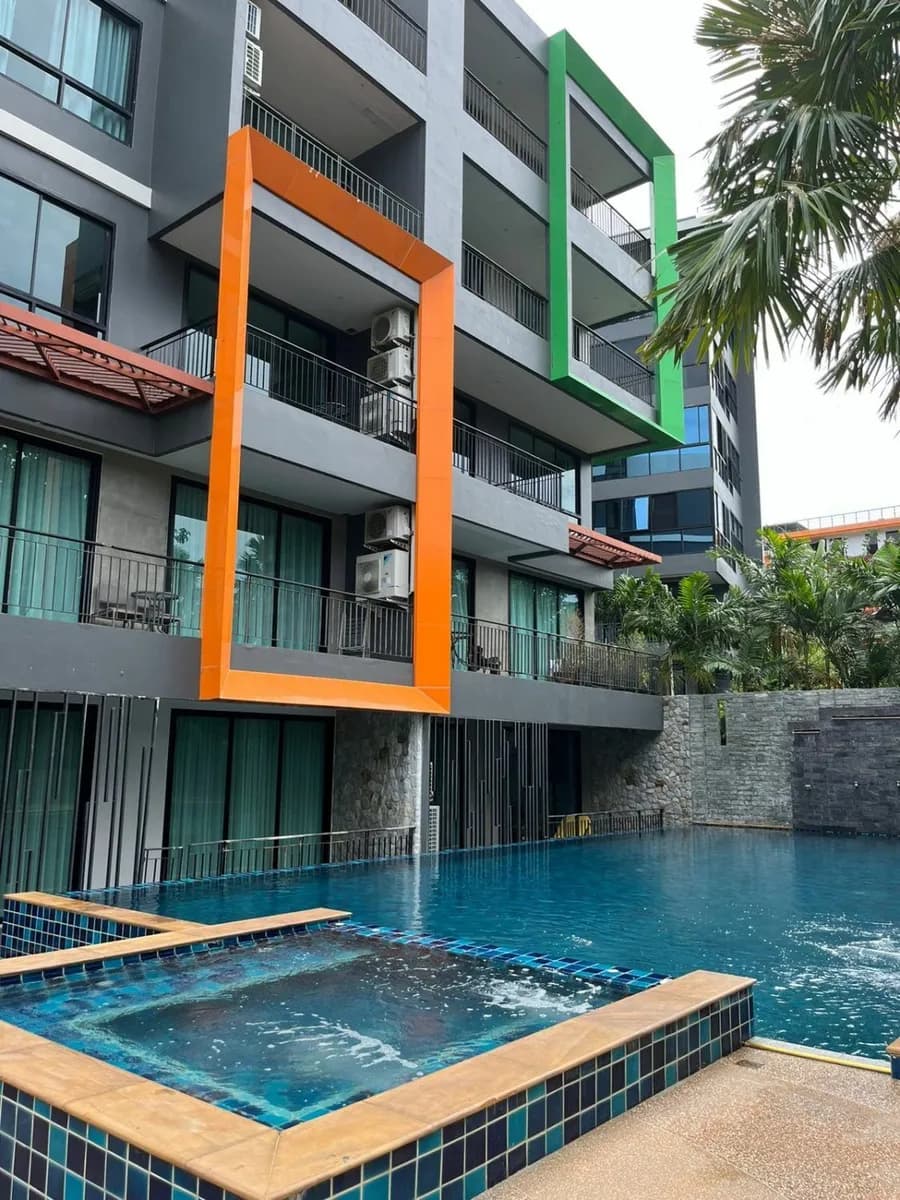
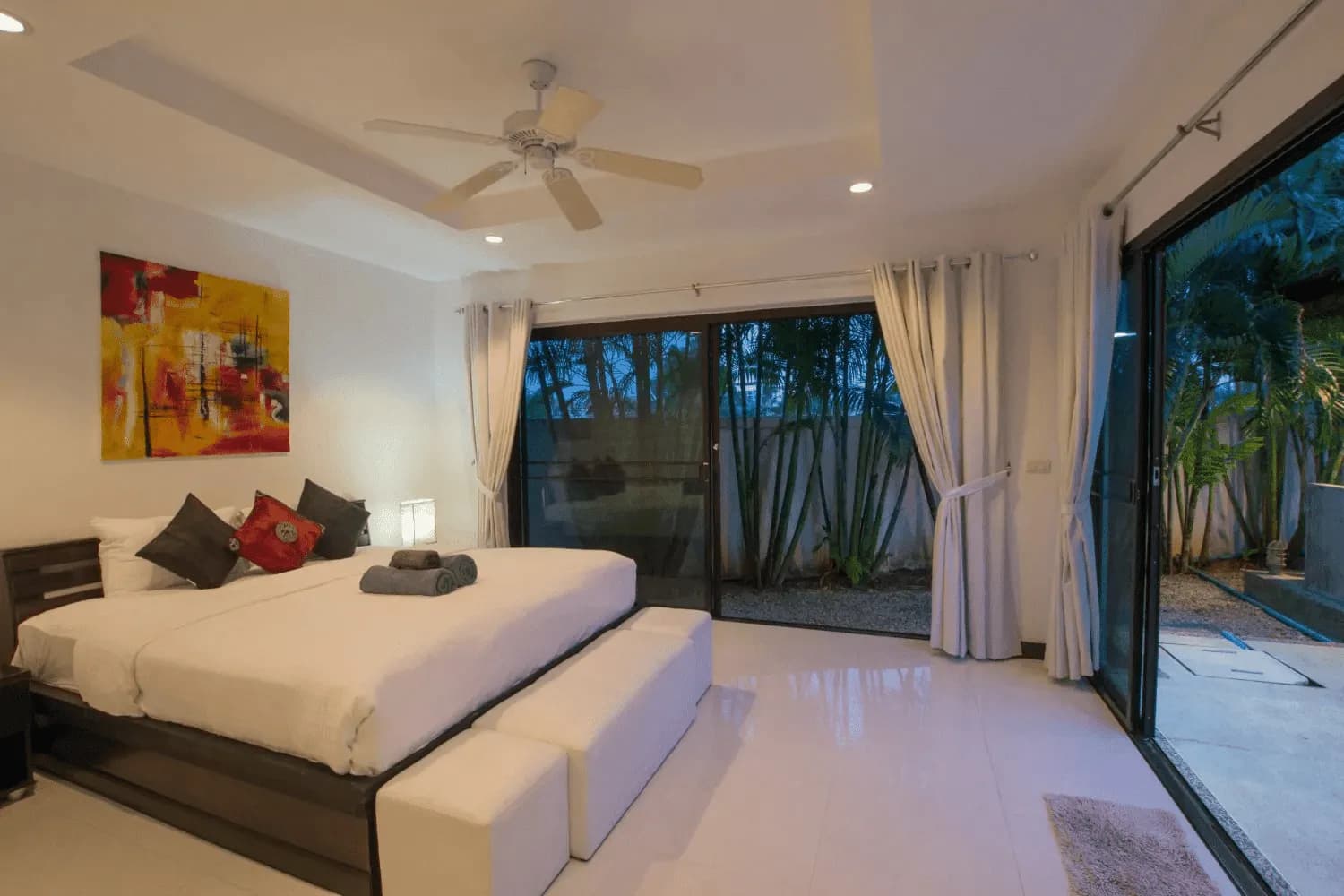
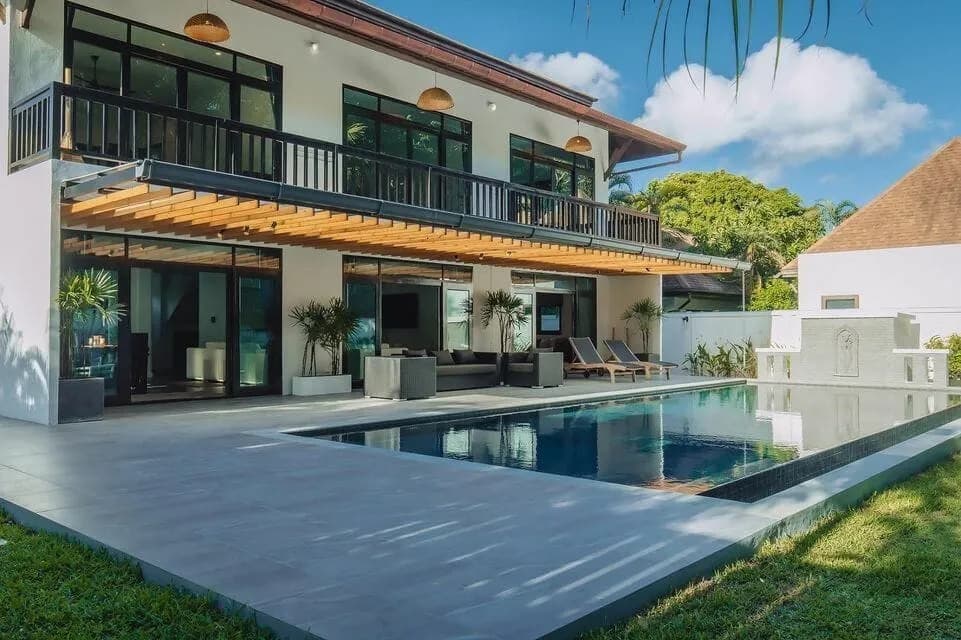
Property for Sale in Nai Harn
View all (4) →
Nai Harn, Phuket
4-Bedroom Modern Pool Villa for Sale in Rawai, Phuket – KA Villa | BD16022602
Nai Harn, Phuket
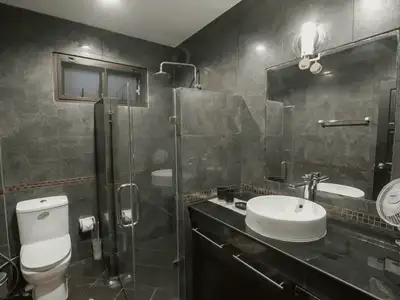
Condominium 36 sqm. for Sale In Nai-Harn ,Rawai Phuket
Nai Harn, Phuket
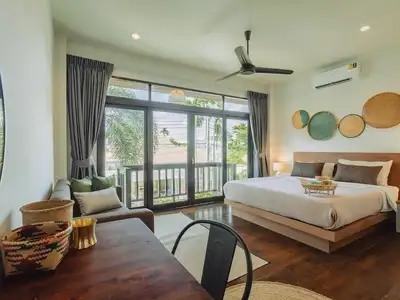
3 Bedrooms Private Pool Villa For Sale In Rawai, Phuket, 600 sqm land
Nai Harn, Phuket
Private Pool Villa with 5 Bedrooms in Rawai Phuket
Property for Rent in Nai Harn
View all (10) →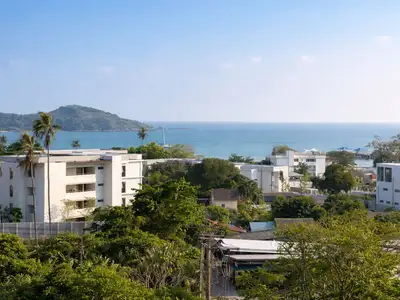
Nai Harn, Phuket
Seaview Condo at Babylon Sky Garden | Rawai Beach

Nai Harn, Phuket
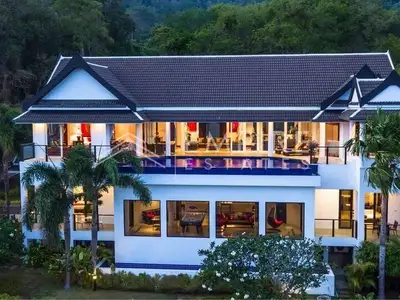
6 Bedrooms Modern Style with Sea View Private Pool Villa in Rawai Phuket
Nai Harn, Phuket
Baan Sawan 5 bedroom Sea view with private pool villa in Rawai
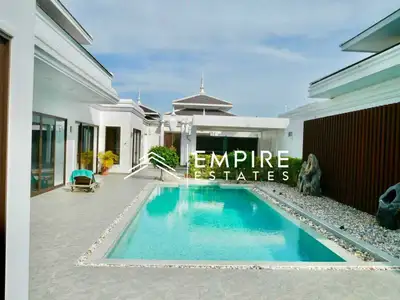
Nai Harn, Phuket
Exclusive 3 bedroom villa for rent in Rawai
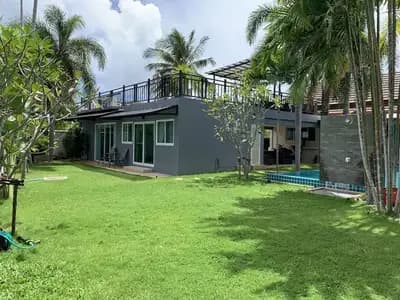
Nai Harn, Phuket
Gorgeous 5 bedroom with large gardens in Rawai
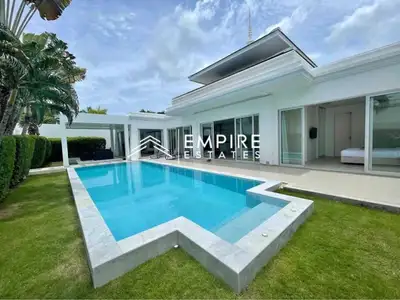
Nai Harn, Phuket