

Phuket Area Guide
Phuket Town, Phuket: Area Guide for Buyers & Renters
Living in Phuket Town
Mueang Phuket is the island's capital district, covering Phuket Town and the populous south-east — including Wichit, Chalong, Rawai and the Karon coast — and serving as the commercial, administrative and cultural heart of the island. At its centre sits Phuket Old Town, with beautifully restored Sino-Portuguese shophouses, a celebrated Sunday walking-street market, galleries and one of Thailand's most acclaimed street-food scenes. The district concentrates the island's key infrastructure: Central Phuket and Robinson malls, Bangkok Hospital Phuket and Vachira Hospital, government offices, universities and several of Phuket's best Thai and international schools. Residential options are the island's most varied — renovated heritage shophouses in Old Town, modern condominiums around the commercial centre, family homes in Wichit, and pool villas toward Chalong and the southern beaches. Prices remain well below the resort coasts, which attracts year-round residents, professionals and investors targeting the long-term rental market rather than holiday lets. With the marinas of Chalong Bay, the Big Buddha hills and the southern beaches all within half an hour, Mueang Phuket suits buyers who want authentic town life, full amenities and dependable rental demand from Phuket's working population.
Daily life in Phuket Town and who it suits
Phuket Town is where the island lives rather than holidays. This guide covers the Mueang Phuket district, whose eight subdistricts, according to Wikipedia, run from Talat Yai and Talat Nuea in the old centre to Ratsada and Wichit around it, and Koh Kaew, Chalong, Rawai and Karon beyond. The town itself is offices, markets, schools, hospitals and the provincial administration, with a lively food and café scene.
It suits residents who work on the island, families who want schools and hospitals close, retirees who want services within a short drive, and buyers aiming at long-term tenants. It suits less well anyone who wants to wake up by a beach: the nearest swimming beaches are a drive away.
The Old Town and landmarks
The Old Town is a compact grid of Sino-Portuguese shophouses. Wikipedia's Phuket entry describes buildings of one or two storeys with narrow fronts and deep plans, mixing Chinese and European tiles, doors and windows, on streets such as Krabi, Dibuk, Phang Nga, Yaowarat and Soi Rommanee, over about 2.7 km². On Sunday evenings Thalang Road closes to traffic for the Lard Yai walking-street market.
The town's Chinese shrines lead the Vegetarian Festival each autumn, with processions through the centre. Wikipedia also notes that UNESCO named Phuket a Creative City of Gastronomy in 2015, the first in South-East Asia; the markets, noodle shops and old coffee houses explain why. Khao Rang hill gives the classic view over the town.
Schools, healthcare and shopping nearby
Phuket Town has the island's densest services. Hospitals include Vachira Phuket, the main public hospital, and the private Bangkok Hospital Phuket, Bangkok Hospital Siriroj and Mission Hospital. HeadStart International School's city campus is in Wichit, Kajonkiet International School is in the Kathu valley on the edge of town, and British International School Phuket is on Thepkrasattri Road in Koh Kaew. Phuket Rajabhat University is in Ratsada.
Shopping runs from fresh markets to Central Phuket and Robinson, with supermarkets, hardware stores, banks and the provincial government offices close at hand.
Getting around and travel times
The old centre is walkable; beyond it, residents drive or ride. Wikipedia's Phuket International Airport entry puts the airport 32 km north of the city. Thepkrasattri Road, part of Highway 402, leads north toward the airport and the Sarasin Bridge to the mainland, according to Wikipedia's Thalang district entry. The live guide puts Chalong's marinas, the Big Buddha hills and the southern beaches within about half an hour.
Local buses and songthaews link town with the main beaches, and long-distance buses serve the mainland. Peak hours and school runs slow the bypass and the main junctions, so test a commute at the hour you would make it.
The property market in Phuket Town
The stock is the most varied on the island: renovated shophouses in the Old Town, modern condominiums around the commercial centre and the malls, detached houses and townhouses in Wichit and Ratsada, and pool villas further south toward Chalong. Buyers are mostly people who live and work here, plus investors aiming at long-term tenants rather than holiday guests.
Condos are the simplest route for foreigners: freehold within the building's 49% foreign quota, with money from abroad documented by a FET form or bank credit advice. Shophouses and houses stand on land, which foreigners cannot own, so they are bought on a registered lease of up to 30 years; renewals are promises, not registered rights. Holding land through a Thai company with nominee shareholders is illegal.
Check for flooding, since some low-lying streets take water in heavy monsoon rain: walk the street after a storm. Old shophouses rarely have parking, and their structure, roof and wiring need a survey; ask the municipality what rules apply to changing an Old Town facade. Listen for noise from main roads, markets and festival processions, and for condos compare the building's age, common fees and sinking fund.
Renting long-term in Phuket Town
Tenants are mostly year-round: Thai and foreign professionals, teachers, hospital staff, families and students. They want parking, air-conditioning, fibre internet, a short drive to work or school and, for families, a garden or a project pool. Demand depends less on the tourist seasons than at the beaches, which keeps leases longer, but tenants compare carefully, so condition and furnishing count for more than a view.
Pros and cons
For: the island's best concentration of hospitals, schools, offices and shops, a real city with culture and food, year-round tenants, and the widest range of property types. Against: no beach on the doorstep, traffic at peak hours, flooding in some low-lying streets, older buildings that need work, and holiday-let demand well below the west coast.
Homes we list in Phuket Town
Photos of our own current listings
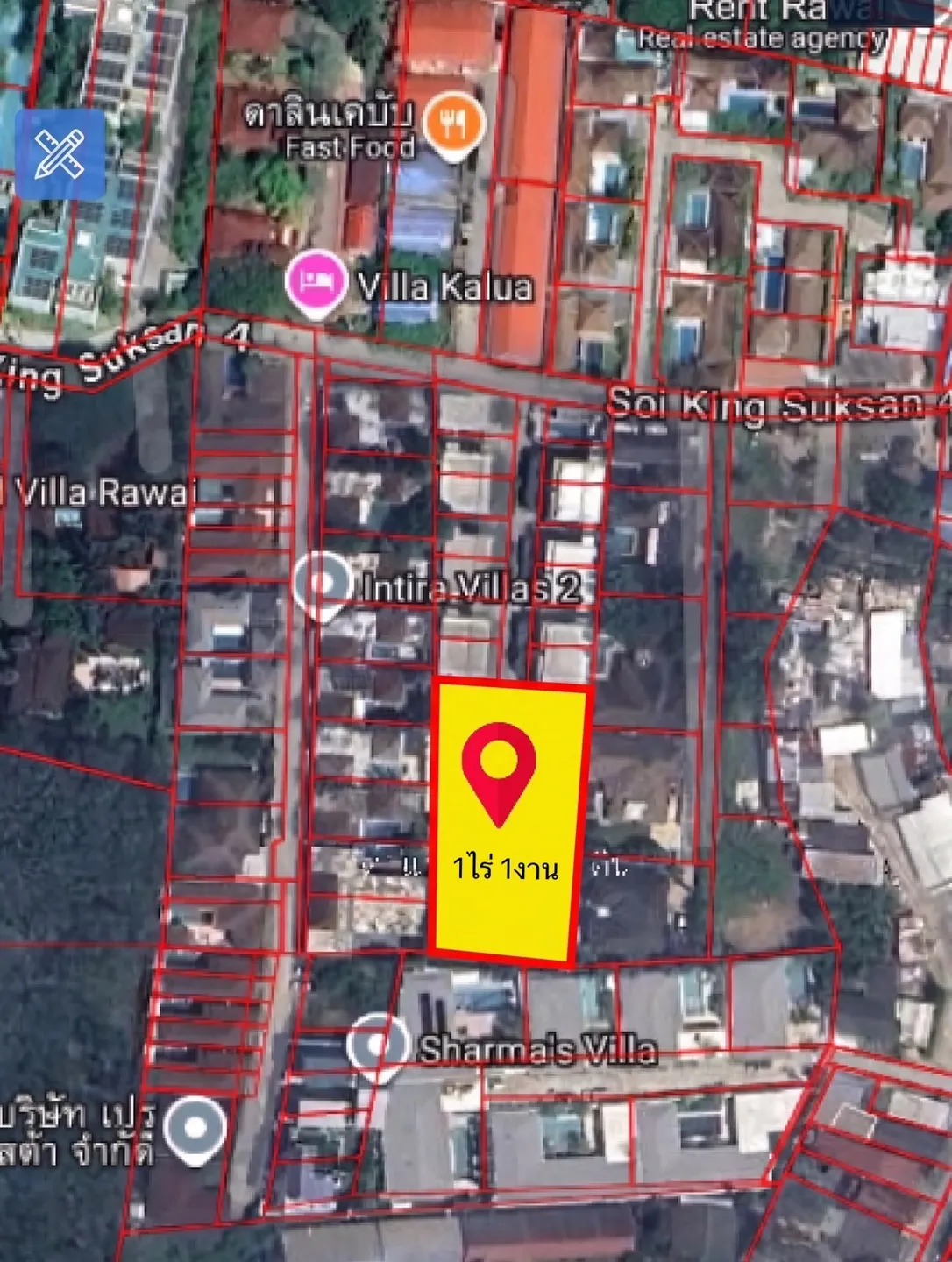
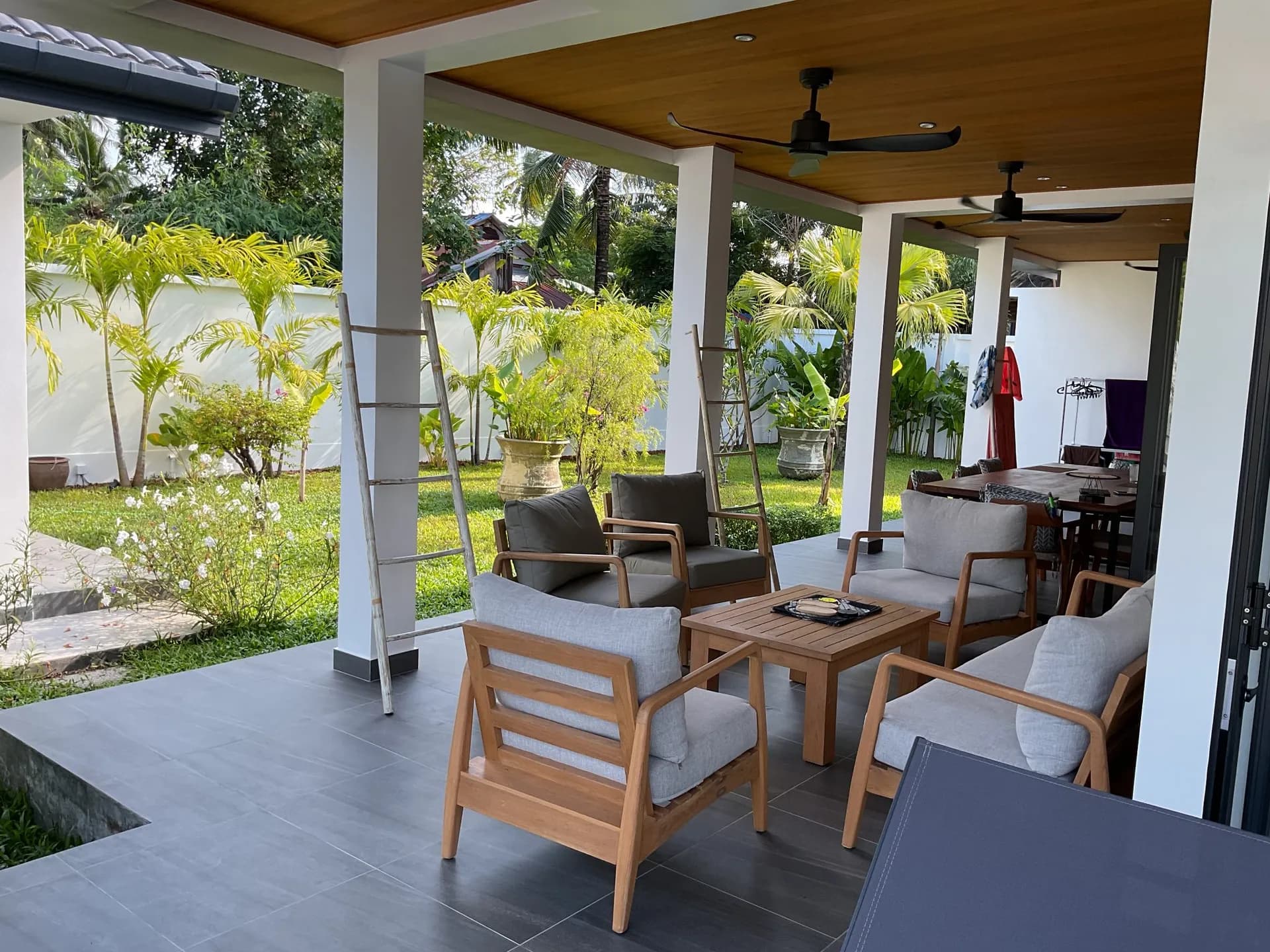
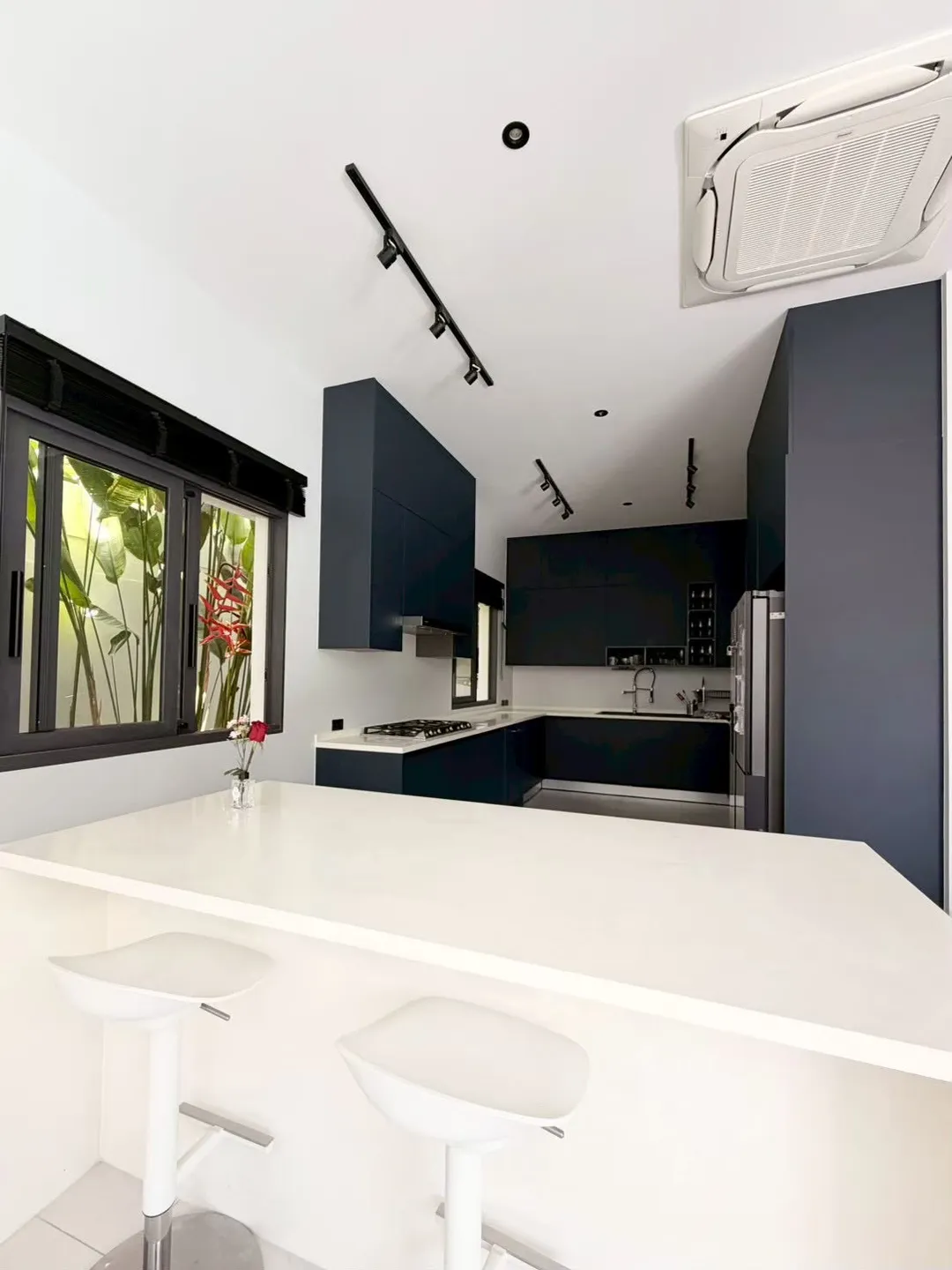
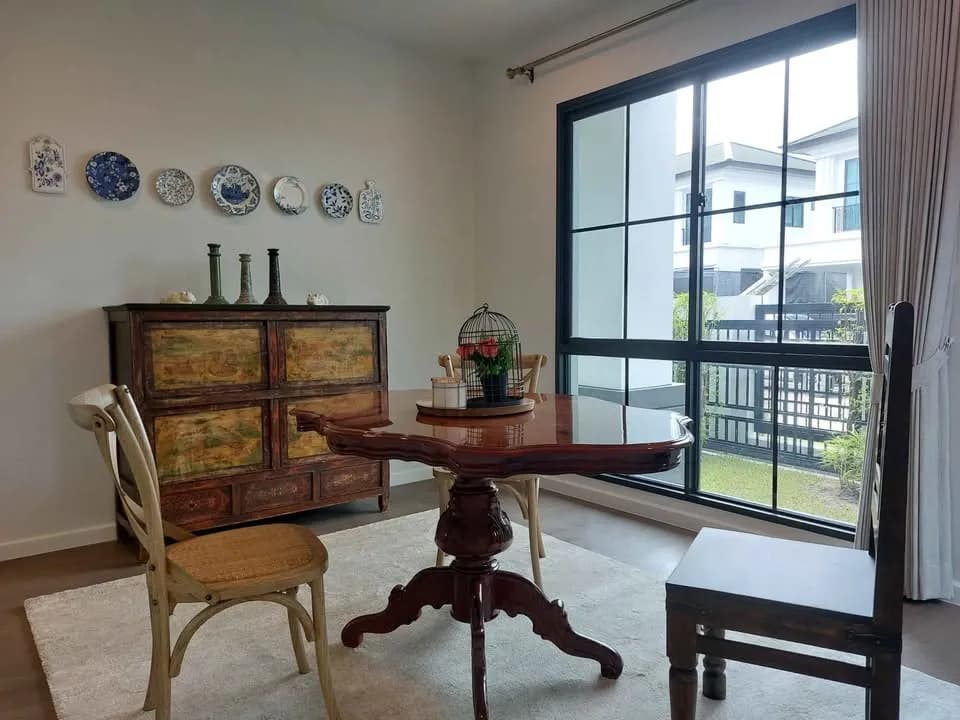
Property for Sale in Phuket Town
View all (10) →
Mueang Phuket, Phuket
4-Bedroom Villa (As-Is) on 2,000 sqm Chanote Land in Rawai, King Suksan

Mueang Phuket, Phuket
5-Bedroom Villa with Infinity Pool and Jacuzzi in Rawai | SD03082601

Mueang Phuket, Phuket
Utopia Loft Phuket Condo for Sale – Nai Harn | SD06092501

Mueang Phuket, Phuket
Modern 2-Bedroom Pool Villa For Sale in Rawai, Phuket | SD23072504

Mueang Phuket, Phuket
Luxurious 4-Bedroom Villa for Sale in Rawai | SD15072551

Mueang Phuket, Phuket
Luxurious Asian Fusion Villa for Sale in Nai Harn, Rawai, Phuket | SD04072551
Property for Rent in Phuket Town
View all (6) →
Mueang Phuket, Phuket
Modern 5-Bedroom Pool Villa for Rent Near BISP Phuket | SD22072602

Mueang Phuket, Phuket
Siwalee Rasada 3-Bedroom Villa for Rent in Koh Kaew, Phuket | PD29062603

Mueang Phuket, Phuket
SETTHASIRI 4-Bedroom Villa for Rent in Koh Kaew, Phuket | PD29062602

Mueang Phuket, Phuket
4-Bedroom Pool Villa for Rent in Koh Kaew, Phuket | PD26062605

Mueang Phuket, Phuket
Naya 3-Bedroom Villa for Rent in Nai Harn – Private Pool Included | PD26062603

Mueang Phuket, Phuket